
What Osteoarthritis Knee Pain Really Feels Like
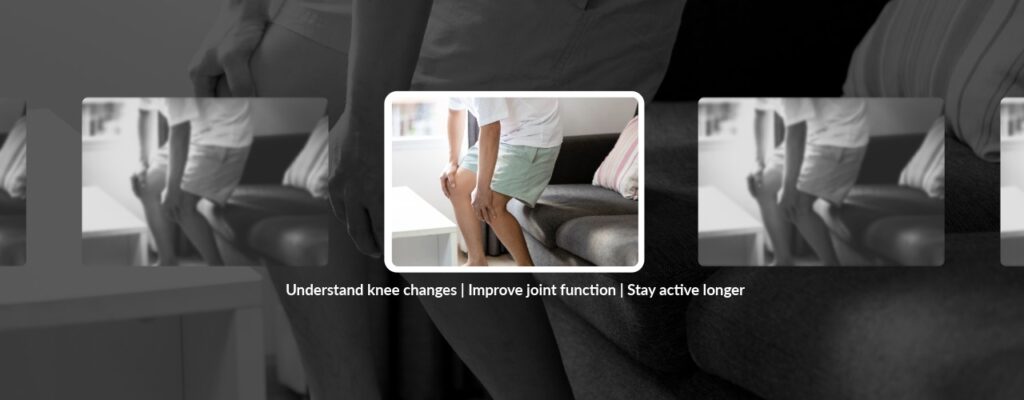
If your knees ache after walking, feel stiff when you get out of bed, or seem to protest every time you climb the stairs, you may be wondering what is happening inside the joint. Osteoarthritis knee pain often develops gradually, making it easy to dismiss early warning signs as normal aging or everyday wear and tear. However, the sooner you recognize the symptoms, the sooner you can take steps to protect your mobility and stay active.
When Everyday Knee Discomfort Starts to Mean More
Osteoarthritis develops when the smooth cartilage that cushions the ends of the bones in your knee gradually wears away. Healthy cartilage allows the joint to move smoothly with minimal friction. As that protective layer thins, the bones move less efficiently, leading to irritation, inflammation, and pain.
Early symptoms may seem minor at first, but they often become more noticeable over time. Watch for signs such as:
- Stiffness after sitting or sleeping.
- Pain that worsens with walking or standing.
- Tenderness around the joint.
- Mild swelling after activity.
- Difficulty bending or straightening the knee completely.
Many people notice that symptoms improve after moving around for a few minutes, only to return later in the day after increased activity.
How Osteoarthritis Knee Pain Changes as Cartilage Wears Away
As cartilage continues to break down, the joint loses some of its natural shock absorption. This places greater stress on the bones and surrounding soft tissues. Over time, you may start to experience:
- Pain during everyday activities, rather than only after exercise.
- Grinding, clicking, or popping sensations with movement.
- Swelling that occurs more frequently.
- Reduced mobility.
- Weakness in the muscles supporting the knee.
- Difficulty climbing stairs, kneeling, or getting up from a chair.
Some people also notice that their balance feels less steady because discomfort causes them to change how they walk. These changes can place additional strain on the hips, ankles, and opposite knee.
Although symptoms often progress slowly, they do not always worsen at the same pace. Some days may feel much better than others.
Small Changes That Signal It’s Time to Pay Attention
Many people adapt to osteoarthritis knee pain without realizing how much it is affecting their daily lives. Paying attention to these changes can help you seek treatment before symptoms become more limiting. You may notice that you are:
- Avoiding longer walks.
- Taking stairs one step at a time.
- Sitting down more often during household chores.
- Needing support when standing up.
- Feeling less confident during recreational activities.
These adjustments may seem minor, but they often indicate that the knee is no longer functioning as efficiently as it once did.
How Physical Therapy Helps Manage Osteoarthritis Knee Pain
Physical therapy addresses many of the factors that contribute to pain and movement limitations. Rather than focusing solely on symptoms, treatment at Priority Physical Therapy aims to improve the entire knee’s function.
We start by performing a thorough evaluation to identify the specific factors contributing to your discomfort. We then use this information to create a personalized treatment plan that pulls from different treatment techniques:
- Exercises to strengthen the muscles that support the knee.
- Targeted training to improve joint mobility.
- Balance and stability exercises to increase confidence with walking.
- Movement education that reduces unnecessary stress on the joint.
- Functional training for stairs, standing, and daily activities.
Appropriately prescribed exercise is one of the most effective conservative treatments for osteoarthritis knee pain. Building strength and improving joint mechanics can reduce pain, improve function, and help many people continue participating in the activities they enjoy.
Take the First Step Toward Easier Movement
Living with knee pain does not mean you have to give up an active lifestyle. Understanding what your symptoms mean and seeking care early can make a meaningful difference in your comfort, mobility, and long-term joint health.
If osteoarthritis knee pain is making everyday activities more difficult, the team at Priority Physical Therapy is here to help. Contact us today to schedule an evaluation and learn how a personalized physical therapy program can help you move with greater confidence and less discomfort.