

How Physical Therapy Can Help You Find Better Balance and Stability
Stand and Walk With Confidence And A Sure Step
Do you ever feel unsteady on your feet? Have you noticed it’s getting harder to navigate stairs or uneven surfaces? Maybe you’ve even had a close call or two, and now you’re worried about falling.
Feeling nervous about falling is reasonable, especially if you’re older. Falls are one of the most common causes of injury and hospitalization among older adults, although they can impact younger people, particularly if they’re recovering from surgery or injury. Furthermore, balance challenges can dramatically impact your quality of life, making it tough to stay active and independent.
At Priority Physical Therapy, we understand your concern. However, we also want to make it clear that falls are not an inevitable part of aging! There are steps you can take to enhance your overall balance and stability, which can help keep you on your feet for years to come. Even better, you don’t have to do it alone. Our team of movement specialists is here to help.
Palmyra R-I Sports Coverage: Now available!
Priority Physical Therapy is excited to be volunteering for the Palmyra R-I School District, providing sports physical therapy services for all home varsity events. We offer medical care on the sidelines and free screens in the clinic for all athletes in the district.
Our sideline coverage and screenings are designed to help identify potential injuries early, address any concerns before they become bigger issues, and ensure athletes are performing at their best. Whether your student is gearing up for the season or recovering from a tough game, our expert team is here to support their success on and off the field.

Why Do We Need Balance And Stability?
Firstly, balance and stability aren’t the same thing, although they are connected:
- Balance is the ability to maintain your center of gravity over your base of support. Essentially, it means you can stay upright.
- Stability is the ability to resist forces that threaten to disrupt balance, such as a bump in the sidewalk or a playful nudge from a grandchild.
To reduce your risk of falls, you want to enhance both of these factors. Standing on one foot might mean you have good balance, but if you have poor stability, it won’t necessarily protect you from falling.
How Do I Know If I Need to Work on Balance And Stability?
Many factors can contribute to balance and stability problems, including the following:
- Age-related decline in muscle strength, mobility, and reaction time
- A history of falls
- Medical conditions that affect mobility, such as arthritis
- Inner ear disorders (which often cause dizziness and vertigo)
- Neurological conditions like stroke or Parkinson’s disease
- Vision challenges
- Certain medications
Generally speaking, if you’re experiencing symptoms like feeling unsteady or dizzy, frequent falls or near falls, difficulty walking or turning, or needing to use furniture or walls for support, reach out to Priority Physical Therapy. We’ll help you develop a program that addresses your specific needs.
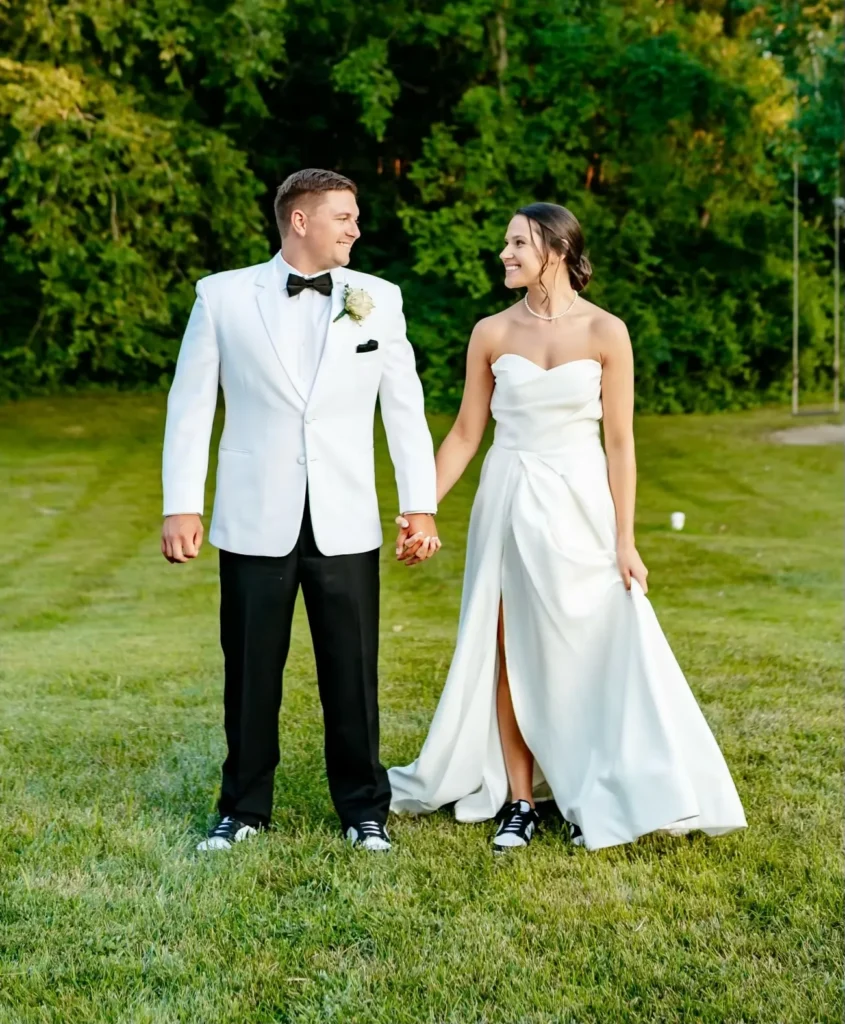
Congratulations to Nicole and Colton Gottman, who married Aug. 9, 2025. Nicole is a PT at Priority Physical Therapy in Palmyra.
Maximize Your Benefits Before Year-End
Did you know that if you’ve already met your health insurance deductible for 2025, your physical therapy sessions at Priority PT may be free or significantly reduced in cost?
Many patients don’t realize that the end of the year is the perfect time to schedule care because they can often continue treatment with little to no out-of-pocket expense. If you’ve been putting off starting therapy or want to address lingering pain before the new year, now is the time!
Don’t let your hard-earned benefits go unused – your deductible will reset in January. Contact us today to check your coverage and schedule your next appointment.
How Physical Therapy Helps Enhance Balance And Stability
Physical therapy addresses the underlying factors contributing to your balance or stability challenges. That’s why our team will also begin with a thorough evaluation to help us understand the reasons for your fall risk. We’ll discuss your health history, evaluate your balance, strength, and movement patterns with a few simple movement screens, and learn more about your concerns. That way, we can blend various treatment techniques to create a unique, effective treatment program.
Some of these techniques might include:
- Strength Training: Good core and lower body strength are essential for enhanced stability. A strong core, in particular, helps stabilize your body so you can stay on your feet.
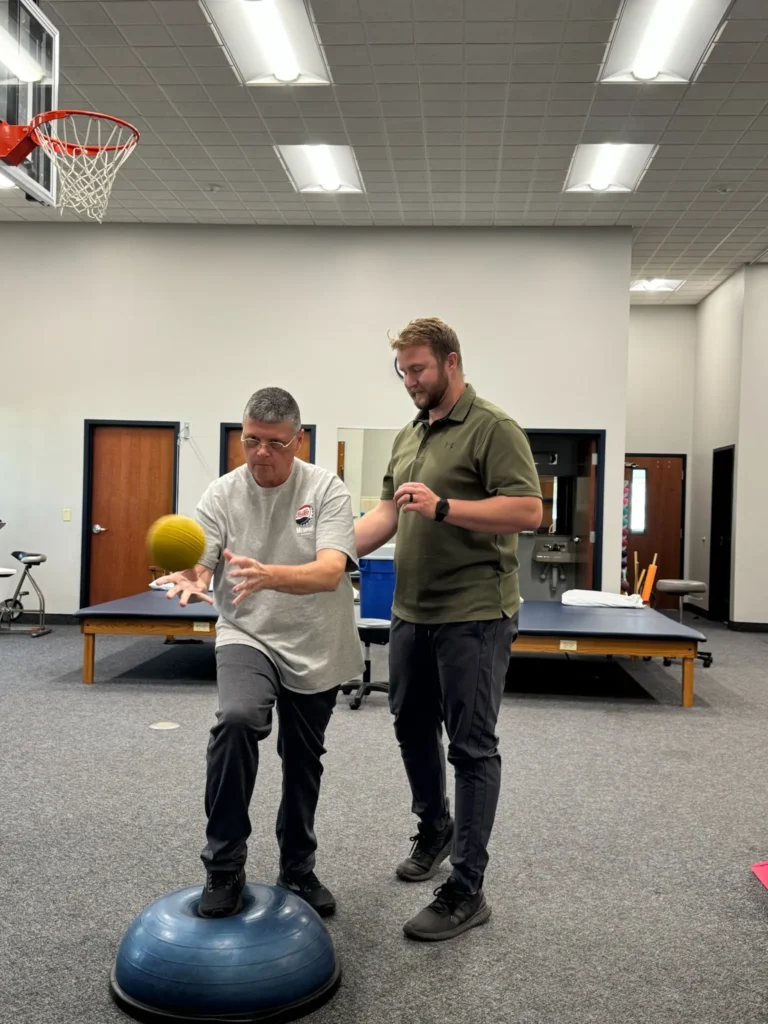
- Balance and Proprioceptive Training: This technique focuses on improving your body’s awareness of its position in space. By challenging your balance with exercises on unstable surfaces or with your eyes closed, you can retrain your body to react more quickly and efficiently to changes in your environment.
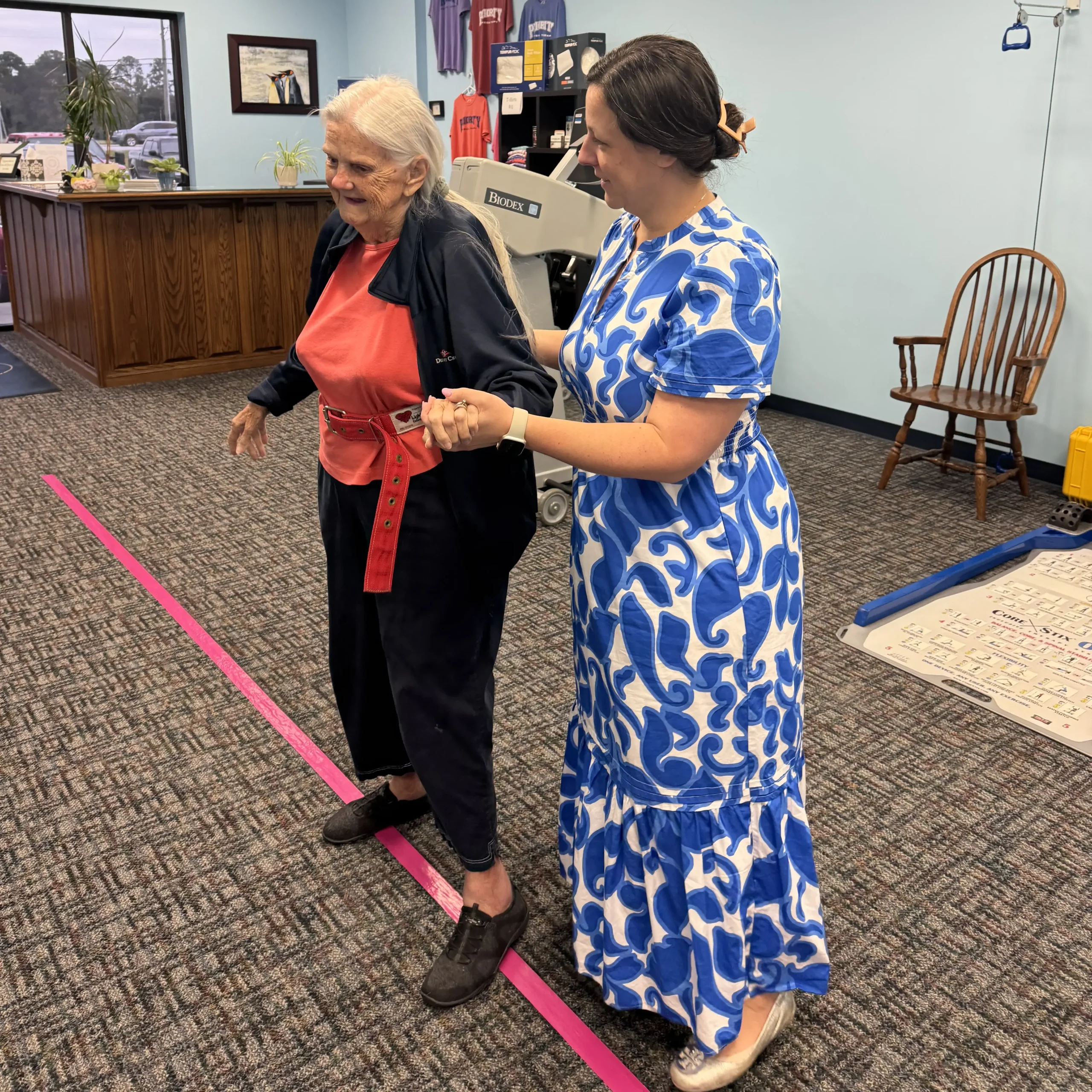
- Gait Training: An impaired walking pattern can affect your balance and increase your risk of falling. If necessary, we’ll help correct these impairments with personalized, targeted exercises.
- Vestibular Rehabilitation Therapy (VRT): If you’re struggling with vestibular dysfunction, we’ll guide you through specific exercises that retrain your brain to understand signals from your inner ear and improve balance.
- Functional Activities: We’ll teach you how to execute functional activities, like walking, turning your head while walking or standing, reaching for something on a shelf while standing, and carrying objects.
Take the First Step Towards Better Balance
Ready to take charge of your balance and regain your confidence? The Priority team is here to help you achieve your goals. Call us today to schedule your first appointment and take the first step towards a more stable and active future.
Recipe of the Month: Fresh Spring Rolls

Ingredients:
- 1 package spring roll rice wrappers, found in the Asian foods section at the grocery store
- 1 package vermicelli rice noodles, found in the Asian foods section at the grocery store
- 2 mangos, peeled and sliced into thin strips
- 1 large carrot, peeled and shredded or sliced into thin strips
- 1 large English cucumber, peeled and thinly sliced
- 1 pound small, cooked shrimp, deveined, tails removed, or substitute chicken
- 1 bunch fresh mint leaves
- 1 bunch fresh basil leaves
- 1 bunch fresh cilantro
For the peanut sauce:
- 3/4 c sweet chili sauce
- 1/3 c peanut butter, smooth or crunchy
- 1/2 tsp soy sauce
- 1/2 tsp hoisin sauce
Instructions:
- Cook vermicelli noodles in boiling water, for just a few minutes, according to package instructions. Drain and rinse with cold water.
- Gather all topping ingredients together, including chopped veggies, herbs, cooked shrimp. Add about 1 inch of water to a large, deep dish, or pie pan.
- Place one rice wrapper into the water and let soak for just 10-15 seconds. It should still feel pretty firm as you remove it and lay it on your counter or plate. (It will soften up as you add the filling ingredients, but if you let it soak for too long it will get too soft and will tear when you roll it up.)
- Layer 1-2 slices of each veggie, a few shrimp, a few leaves of each herb and a pinch of noodles on the ⅓ of the spring roll that is closest to you.
- Fold the sides of the spring roll in over the ingredients. Then pull the side closest to you up and over the ingredients, sealing everything together tightly, and rolling it up like a burrito.
- For the peanut sauce: Add all ingredients to a food processor or blender and pulse until smooth.

Feeling Off-Balance? It Could Be These Vestibular Disorders
Balance challenges can develop for many reasons, including an underlying problem with your vestibular system. This is the part of your body responsible for spatial awareness and helping you maintain balance. It’s located in your cerebellum and inner ear and transmits information about your body positioning to your brain.
As you might expect, balance is one of the primary things affected when something goes wrong in your vestibular system. Fortunately, the team at Priority can help you understand your symptoms and get the relief you need.
Three Common Vestibular Disorders You Should Know
- Benign Paroxysmal Positional Vertigo (BPPV): BPPV is one of the most common causes of vertigo, a spinning sensation. It occurs when tiny calcium crystals in the inner ear become dislodged, disrupting the function of the vestibular system. BPPV is often triggered by specific head movements, like tilting your head back or rolling over in bed.
- Ménière’s Disease: Ménière’s disease is a chronic condition that causes fluid buildup in the inner ear. It’s characterized by episodes of vertigo, often accompanied by tinnitus (ringing in the ears), hearing loss, and a feeling of fullness in the ear.
- Vestibular Neuritis: Vestibular neuritis is an inflammation of the vestibular nerve, which transmits signals from the inner ear to the brain. It’s often caused by a viral infection and typically results in the sudden onset of vertigo, dizziness, nausea, and difficulty with balance. Symptoms usually improve over time, but we can help speed up recovery and improve balance function.
Suspect Vestibular Dysfunction? We Can Help
If you think you may have a vestibular issue, schedule an appointment at Priority Physical Therapy. We’ll help you understand your condition so you can find relief!
Share Your Success!
The best way to help a small business in the community is by leaving a Google review! We want to help more people. Share your great experience with Priority Physical Therapy and help us heal our neighbors.